Unlocking the Power of Propane Tanks for Your Needs
Unlocking the full potential of clean, reliable energy across modern residential homes, agricultural operations, and commercial facilities relies heavily on choosing versatile fuel delivery systems. Among various off-grid energy sources, clean-burning liquid petroleum gas offers exceptional versatility, superior heating efficiency, and complete independence from traditional electrical power grids. Whether powering high-efficiency home central heating furnaces, fueling tankless water heaters, running backup emergency generators, or firing commercial kitchen appliances, liquid petroleum gas delivers steady thermal energy whenever and wherever needed. However, harnessing this powerful fuel safely and efficiently requires selecting appropriate storage vessels tailored to specific spatial, architectural, and consumption requirements.
Storage vessels act as the vital, pressurized heart of off-grid energy systems, holding clean fuel under steady liquid pressure until household appliances draw energy. Modern fuel storage technology encompasses a broad range of vessel sizes and configurations, ranging from small portable cylinders designed for outdoor grilling to large subterranean tanks capable of supporting expansive rural estates through harsh winter storms. Selecting the proper storage container involves far more than simply measuring available backyard space. Understanding total energy demands, local zoning setback codes, safety distance buffers, refilling logistical schedules, and routine maintenance protocols ensures that off-grid energy systems deliver continuous warmth, economical performance, and total operational safety. Exploring essential storage considerations reveals how strategic vessel selection, proper installation standards, and routine mechanical care combine to unlock complete energy security.
Assessing Household Consumption Demands and Sizing Options
Assessing overall household fuel consumption stands as the foundational first step in selecting storage vessels that match your lifestyle requirements. Every residential appliance—from clothes dryers and gas fireplaces to whole-home heating units—requires specific fuel volume inputs to maintain peak performance. Installing an undersized fuel vessel leads to frequent fuel delivery calls and risks sudden fuel depletion during severe freezing spells.
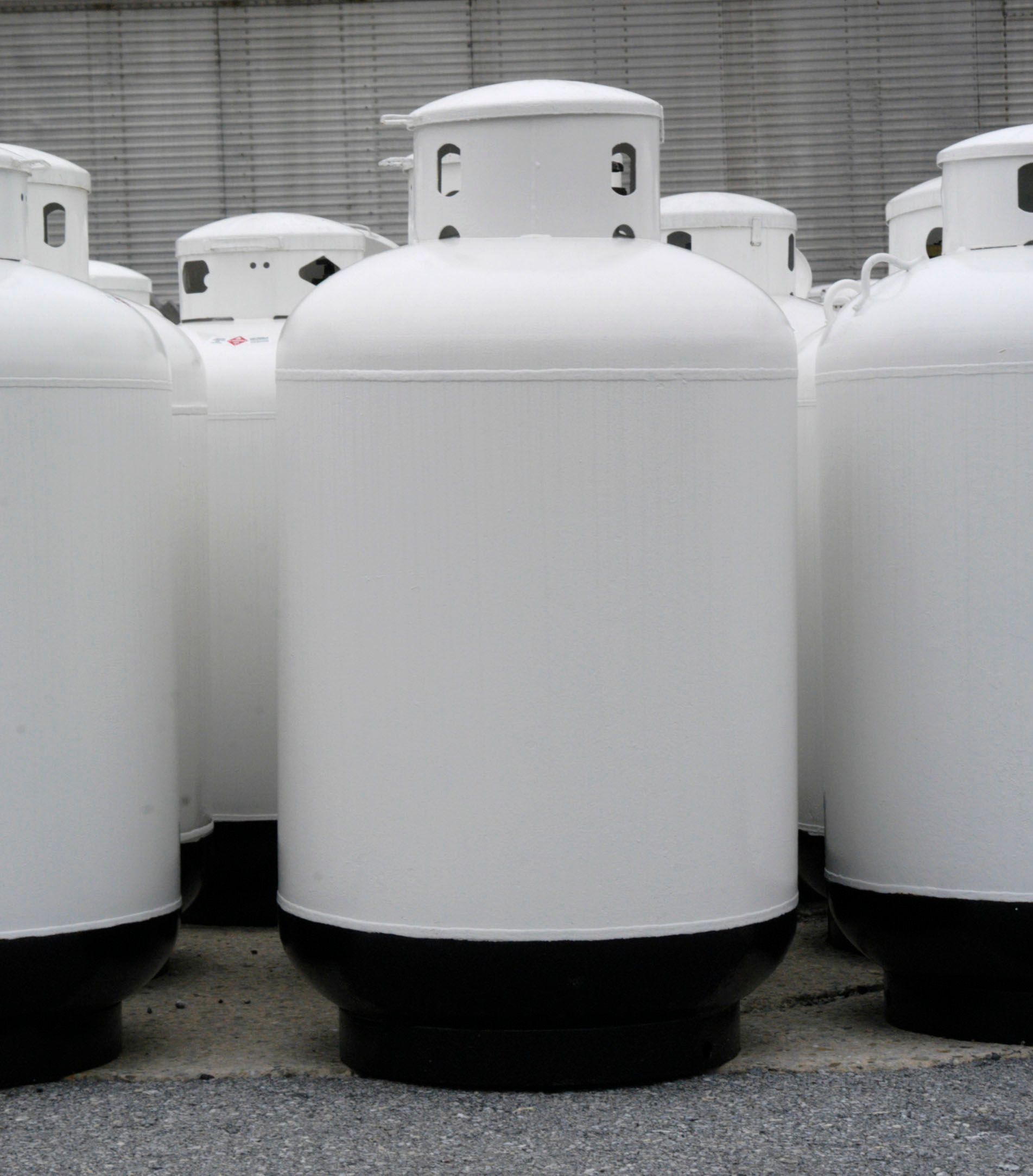
Conversely, choosing an appropriately sized container ensures stable fuel reserves, reducing delivery frequency and protecting households against unexpected winter storm disruptions. Specialized technicians conduct thorough energy audits, calculating total appliance consumption rates to determine ideal storage capacity. Investing in properly sized propane tanks guarantees continuous fuel supplies for essential home heating, cooking, and water heating systems throughout every season.
Evaluating Aboveground Versus Underground Vessel Placement
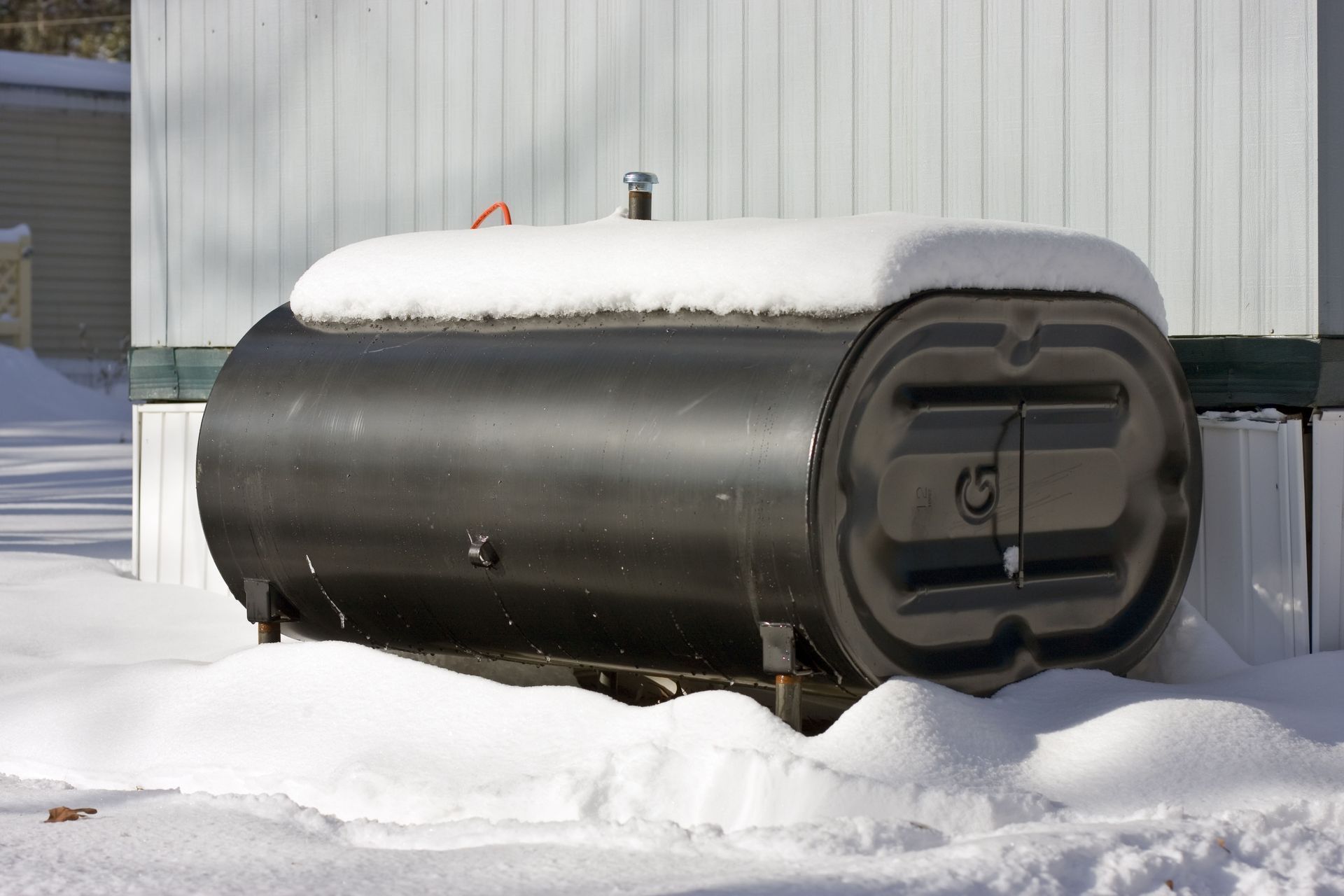
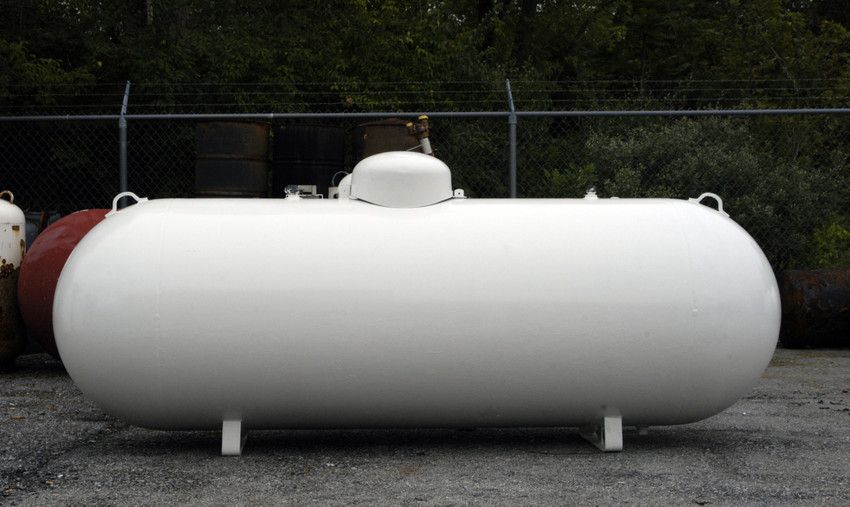
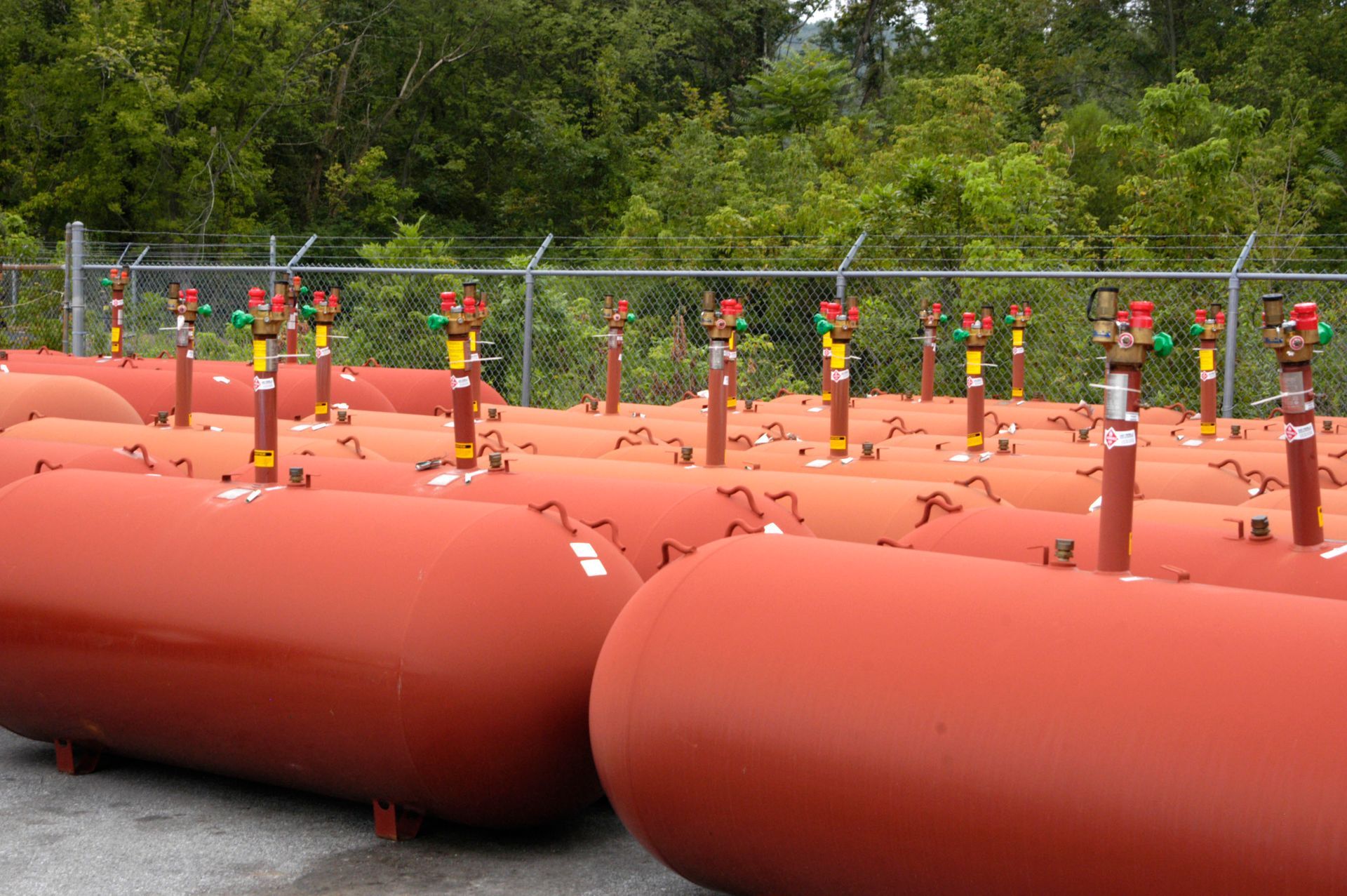
Evaluating aboveground and underground installation options allows property owners to balance spatial aesthetics, environmental protection, and site accessibility. Aboveground vessels provide simple installation, rapid visual inspection access, and lower initial setup costs. Positioned neatly alongside exterior walls or outbuildings, these durable steel containers feature protective dome covers that shield fill valves, pressure regulators, and gauges from rain and snow.
Subterranean containers offer a hidden, space-saving alternative that preserves natural landscaping and exterior architectural views. Specialized underground vessels receive protective anti-corrosion coatings and sacrificial anode rods to prevent soil moisture from degrading steel walls over time. Consulting certified fuel specialists helps property owners determine whether aboveground or buried propane tanks best satisfy local soil conditions, aesthetic goals, and yard layouts.
Reviewing Local Zoning Guidelines and Safety Setback Distances
Reviewing municipal zoning mandates, local fire codes, and national safety standards guarantees that fuel container installations comply fully with legal safety protocols. Federal and local regulations enforce strict physical setback distances between fuel storage vessels, property boundaries, building openings, and potential ignition sources. These safety clearance buffers protect residential structures and ensure emergency service personnel can access fuel shutoff valves quickly if needed.
For instance, smaller storage containers must stand specific feet away from basement windows and exterior doors, while large-capacity vessels require greater physical separation from main living structures and property lines. Additionally, storage areas must sit on flat, compacted gravel beds or poured concrete pads to prevent tipping or shifting as soil settles. Partnering with experienced professionals ensures that placement locations for propane tanks pass all local municipal safety inspections effortlessly.
Understanding National Energy Reliance and Residential Applications
Understanding broad national energy trends illustrates how vital off-grid fuel storage has become for millions of modern households seeking energy independence. Across rural regions and suburban neighborhoods lacking natural gas utility pipelines, liquid petroleum gas serves as a clean, highly efficient alternative to electricity. Storing fuel directly on private property shields homeowners from power grid outages, extreme utility rate spikes, and rolling blackouts during harsh weather events.
National energy statistics underscore the widespread reliance on off-grid fuel storage for core domestic functions. According to Propane Education, approximately 12 million U.S. households use propane for at least one major residential application, including space heating, water heating, or cooking. Installing high-capacity propane tanks empowers property owners to build resilient, self-sufficient residential energy systems that keep families comfortable, warm, and secure year-round.
Executing Routine Safety Inspections and Maintenance Protocols
Executing regular visual checks and professional mechanical inspections preserves the structural integrity and operational safety of fuel storage hardware. High-pressure steel containers endure continuous environmental exposure, facing heavy rain, scorching sun, freezing ice, and shifting soil moisture over decades of service. Establishing a recurring maintenance routine prevents minor surface rust or valve wear from escalating into dangerous leaks.
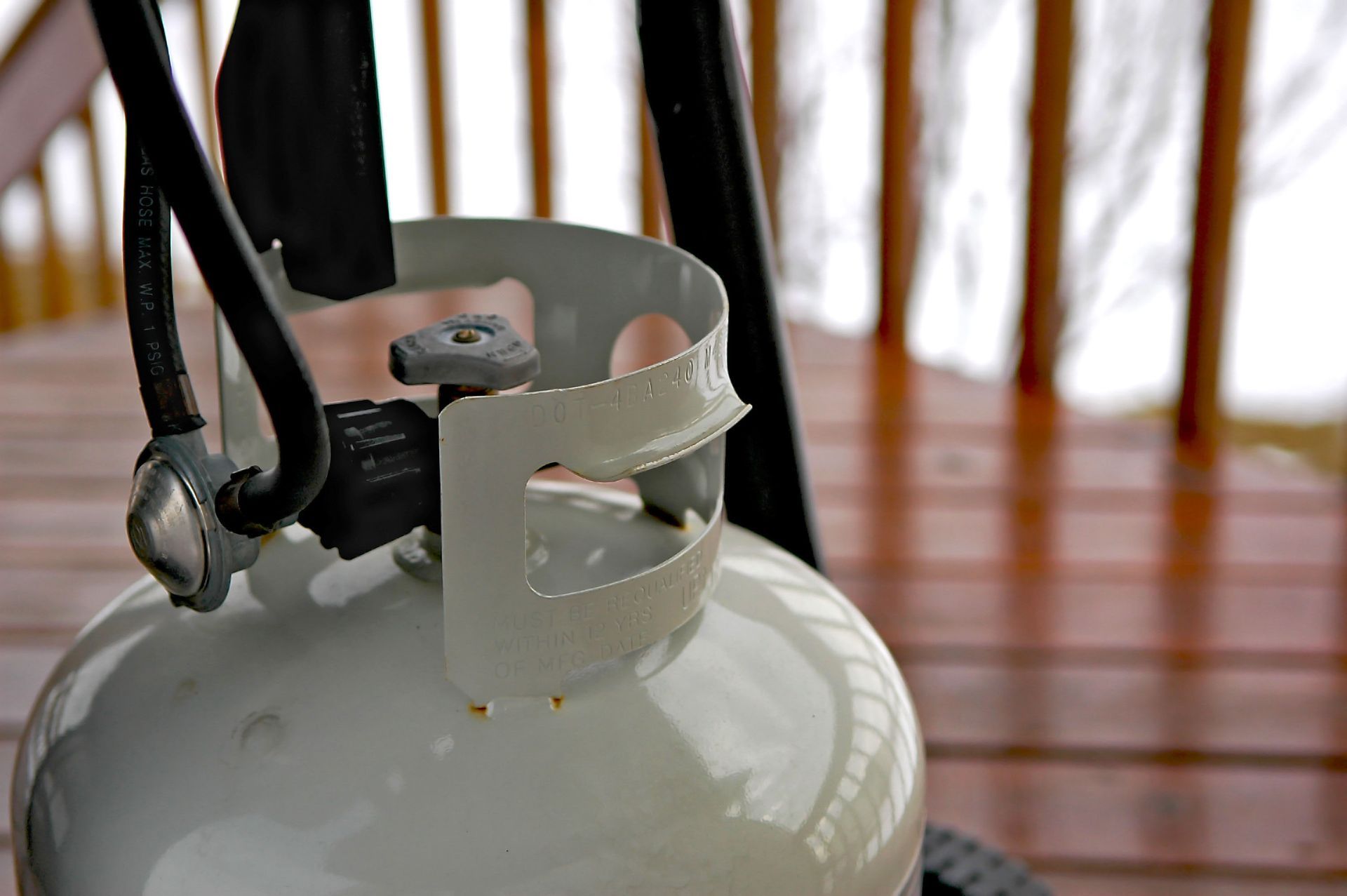
Property owners should keep storage areas clear of tall grass, fallen leaves, and combustible debris while ensuring fill valves remain easily accessible for delivery drivers. Professional technicians conduct thorough leak checks, test pressure regulators, inspect rubber fuel lines, and verify shutoff valve operation during routine deliveries. Utilizing professionally serviced propane tanks safeguards household residents, ensures smooth fuel delivery, and extends total hardware lifespans significantly.
Partnering With Local Fuel Delivery and Installation Specialists
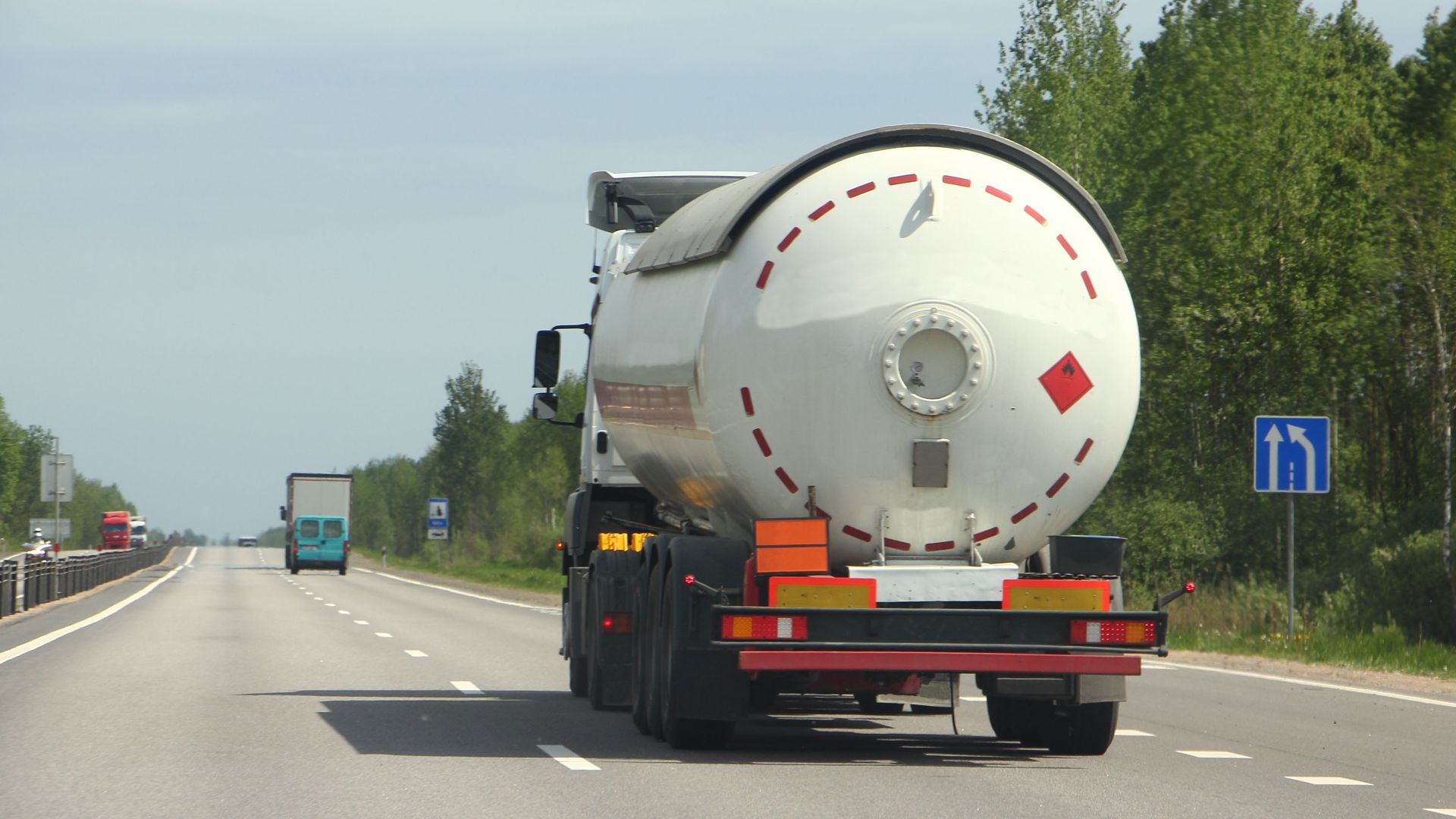
Partnering with established local fuel suppliers provides peace of mind, reliable delivery schedules, and expert technical support throughout the lifespan of your energy system. Off-grid fuel management involves far more than simply purchasing fuel; it requires certified technicians who understand proper pressure regulation, system leak testing, and emergency shutdown procedures. Local suppliers offer flexible automatic refilling programs that track fuel consumption automatically based on weather patterns, ensuring your supply never runs low.
Unlocking the full power, convenience, and efficiency of off-grid fuel relies on thoughtful planning, proper vessel selection, and master installation standards. By assessing household energy demands, choosing between aboveground or subterranean placements, respecting municipal setback guidelines, and executing routine maintenance, property owners create resilient, highly efficient energy systems. Clean-burning liquid petroleum gas provides exceptional heating capability and total power independence, shielding families from electric grid failures and rising utility costs. High-grade storage containers, combined with professional delivery monitoring and routine safety checks, guarantee seamless fuel availability through every season.
At Charlton Oil & Propane Company, we are deeply committed to powering your home comfort, securing your energy independence, and delivering superior fuel storage solutions through master craftsmanship, industrial-grade equipment, and dedicated customer care. Our team of certified fuel specialists brings extensive technical expertise, heavy-duty installation equipment, and meticulous attention to detail to every fuel delivery, vessel installation, line pressure test, regulator replacement, and seasonal maintenance project we execute across our community. We take immense pride in evaluating your unique household energy requirements, analyzing property layouts, inspecting safety clearance buffers, and installing custom propane tanks that bring total warmth, dependable power, and enhanced value to your property. Furthermore, our company prioritizes clear communication, transparent project estimates, clean jobsite management, and exceptional service performance from initial site consultation through automatic fuel refilling. We carefully examine every valve seal, pressure gauge, copper supply line, and tank foundation to guarantee maximum operational safety, environmental compliance, and complete homeowner satisfaction. Contact us today to schedule your comprehensive fuel consultation and discover the true value of working with dedicated local energy specialists.