Why Heating Oil Suits Northeast Households
Heating oil has long been a prevalent heating source for households in the U.S. Northeast. With its historical roots in the region, it continues to provide dependable warmth to many homes during long and demanding winters. As the energy landscape evolves, heating oil remains an important home heating option because of its established infrastructure, on-site storage capabilities, and adaptability. Reliable residential oil delivery also enables homeowners to maintain an adequate fuel supply throughout periods of heavy seasonal demand. Understanding its history, economic role, environmental developments, and practical advantages helps explain why heating oil continues to serve households throughout the Northeast.
Historical Adoption of Heating Oil
Heating oil emerged as a popular heating option in the Northeast during the early 20th century. With cold winters and growing population centers, the region needed practical ways to heat homes efficiently. Coal had previously been a dominant fuel, but heating oil offered advantages in handling, storage, and combustion. The presence of refineries, ports, railways, and transportation networks along the East Coast further supported widespread adoption. As cities and suburbs expanded, the ability to transport fuel directly to individual properties made oil heating particularly practical.
Technological and logistical advancements strengthened this transition. Refineries improved their ability to produce heating fuels, while storage tanks allowed homeowners to maintain fuel supplies directly on their properties. The development of residential oil delivery networks further simplified access by allowing households to replenish tanks without transporting fuel themselves. Over time, local suppliers established routes and service areas that could accommodate both densely populated communities and more remote properties.
According to the U.S. Energy Information Administration's Winter Fuels Outlook 2025–26, heating oil is the primary space-heating fuel for 3% of U.S. households, and more than 80% of homes using it as their main heating fuel are located in the Northeast. This concentration reflects generations of infrastructure development and consumer familiarity. Existing tanks, boilers, furnaces, distribution facilities, and supplier networks continue to influence heating decisions today.
Development of Heating Technology
Heating oil systems have been refined over decades to improve efficiency and performance. Early improvements focused on combustion technology, allowing burners to generate more usable heat from a given amount of fuel. Improvements in insulation, thermostats, heating controls, and heat distribution have also helped homeowners manage consumption more effectively. Modern equipment can provide more precise temperature control than older systems, helping households avoid unnecessary fuel use.
The energy challenges of the 1970s also encouraged homeowners and the heating industry to focus more heavily on conservation. Better insulation, weatherization, programmable controls, and equipment upgrades became important methods for reducing household energy consumption. Fuel suppliers and equipment manufacturers likewise continued improving their products and services. Today, residential oil delivery can be coordinated with monitoring and automatic scheduling practices that help households maintain sufficient tank levels during periods of increased consumption.
Regional Infrastructure and Accessibility
The Northeast differs significantly from other parts of the United States in its heating infrastructure. Natural gas is widely used in areas with established pipeline systems, while electricity plays a larger heating role in many warmer regions. Some Northeastern communities, particularly rural locations, do not have convenient access to natural gas pipelines. Properties in these areas may therefore rely on fuels that can be transported and stored on-site.
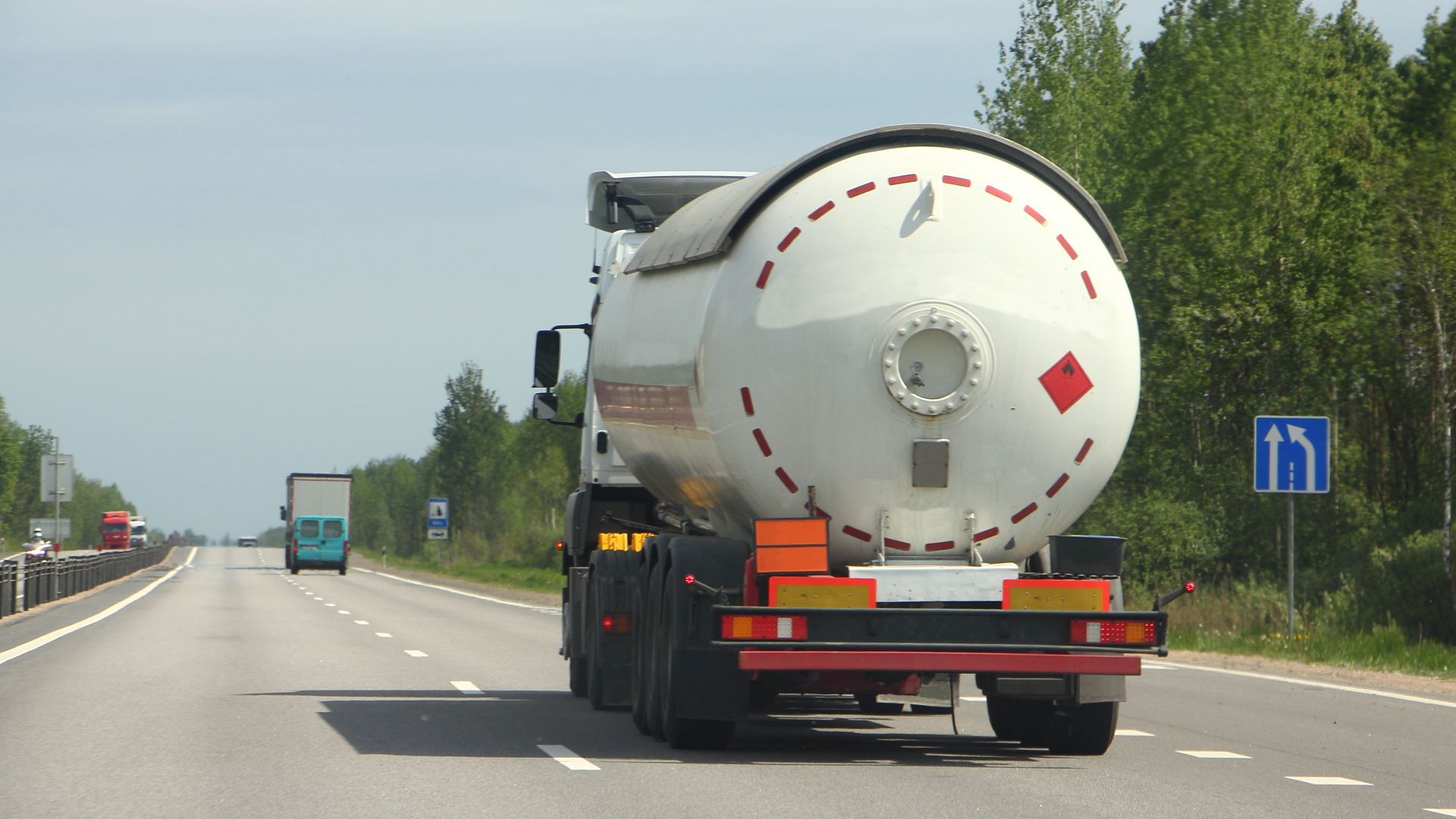
Decades of investment have created an extensive regional network for storing and distributing heating oil. Terminals, storage facilities, transportation companies, and local dealers work together to move fuel from larger distribution points to individual communities. Residential oil delivery connects this infrastructure directly with households, including properties outside major population centers. This established network helps explain why heating oil remains relevant even as other energy technologies continue to develop.
Performance During Northeastern Winters
The Northeast experiences extended periods of freezing temperatures, snowfall, ice, and rapidly changing weather. Homes consequently require heating systems capable of maintaining comfortable indoor temperatures throughout prolonged cold conditions. Oil-fired furnaces and boilers are designed to produce substantial heat, making them well suited to households facing high heating demands during winter.
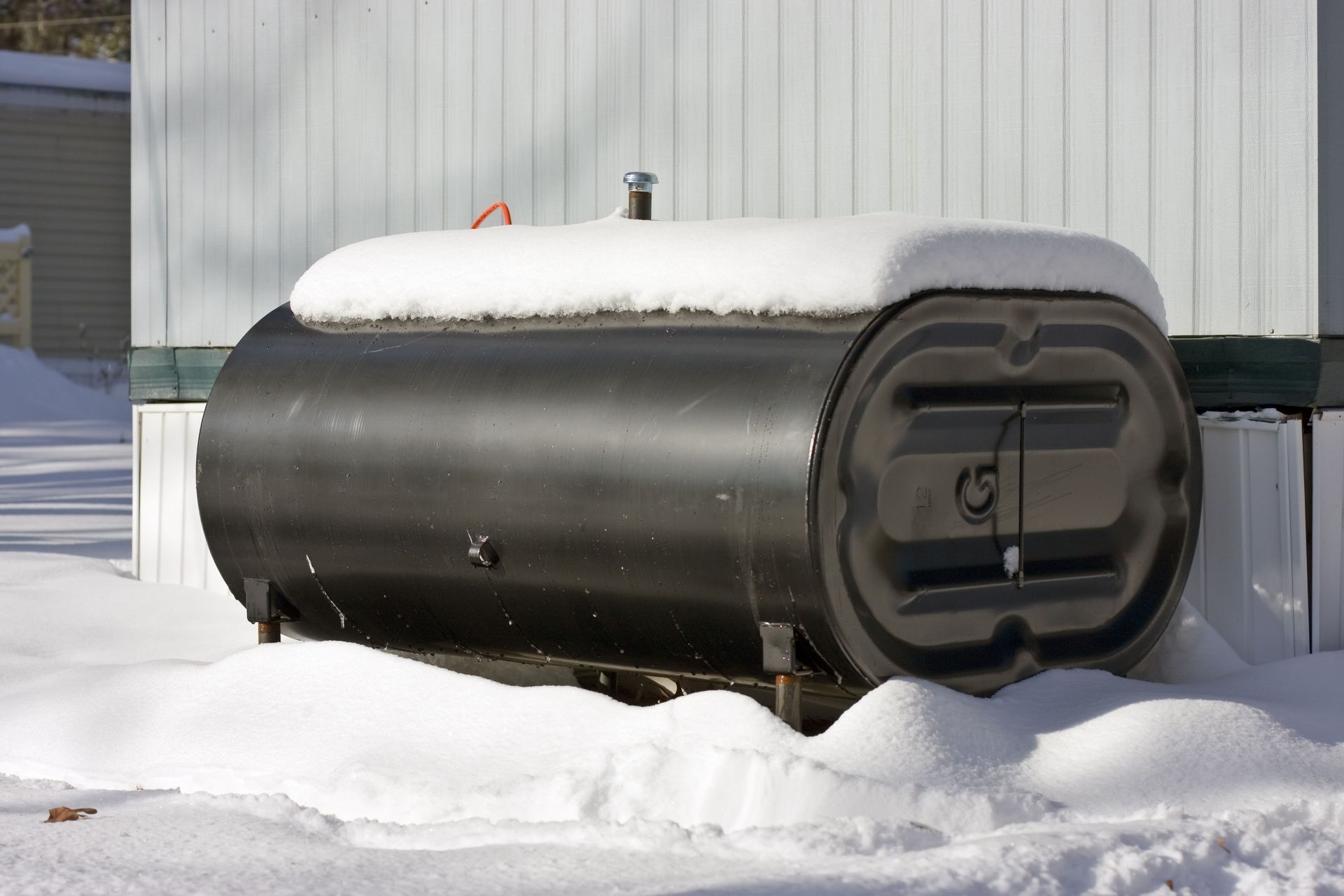
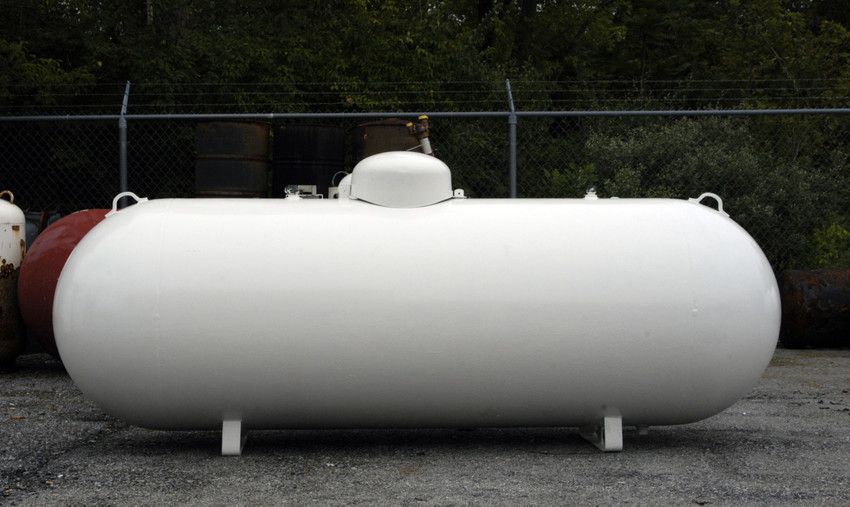
On-site fuel storage provides another practical advantage. Rather than relying exclusively on a continuously connected utility network, homeowners can keep a reserve of heating oil in a tank on their property. During severe weather, having fuel already available can provide additional flexibility. Households can also monitor tank levels and arrange residential oil delivery before supplies become critically low, supporting more proactive winter preparation.
Seasonal planning becomes especially important during stretches of unusually cold weather because heating systems operate more frequently and consume fuel faster. Homeowners who understand their typical usage can estimate when replenishment may be necessary. Tank monitoring, routine equipment maintenance, weatherization, and advance scheduling can all contribute to dependable household heating throughout winter.
Household Budgeting and Heating Costs
Heating expenses represent a significant portion of winter household budgets in cold climates. Heating oil gives consumers several purchasing options that may help them manage those expenses. Depending on the supplier, homeowners may be able to purchase fuel at prevailing market prices, participate in budget plans, or explore pricing arrangements designed to spread heating expenses over a longer period.
Households may also improve cost management by monitoring fuel consumption and addressing areas of unnecessary energy loss. Weather stripping, insulation improvements, thermostat adjustments, and equipment maintenance can reduce the amount of energy required to maintain comfortable temperatures. Combining efficient household practices with planned residential oil delivery can help homeowners anticipate their fuel needs rather than waiting until a tank is nearly empty.
Actual heating costs vary according to fuel prices, home size, insulation, equipment efficiency, thermostat settings, and winter temperatures. Because these variables differ substantially between households, homeowners benefit from evaluating total heating requirements rather than comparing fuel prices alone. Long-term equipment maintenance and replacement costs should also be considered when assessing different heating options.
Support for Local Economies
The heating oil industry contributes to local economic activity throughout the Northeast. Independent fuel dealers, equipment technicians, drivers, service professionals, and administrative employees all participate in the regional heating network. These businesses often serve specific communities for many years, developing delivery routes and service capabilities tailored to local housing patterns.
Supporting industries also benefit from continued demand for heating equipment and fuel distribution. Tank installation, furnace and boiler maintenance, equipment manufacturing, transportation, and storage operations all require skilled workers. Residential oil delivery therefore represents one part of a larger economic network that supports employment and essential winter services across urban, suburban, and rural communities.
Energy Assistance and Household Support
Heating affordability can become a serious concern during particularly cold winters or periods of elevated energy prices. Federal and state assistance programs may help qualifying households manage energy expenses. The Low Income Home Energy Assistance Program, commonly known as LIHEAP, is one example of a program designed to assist eligible households with home energy costs.
Other programs may support weatherization or efficiency improvements that reduce long-term energy consumption. Adding insulation, sealing air leaks, upgrading heating equipment, and improving controls can decrease the amount of fuel needed to heat a property. Eligibility and available benefits vary, so households generally need to review current program requirements within their state or local jurisdiction.
For homeowners, the most appropriate heating solution ultimately depends on location, existing equipment, household energy requirements, budget, and access to different fuels. Heating oil continues to provide a practical option for many Northeastern properties, particularly where winters are severe or alternative infrastructure is limited. By maintaining equipment, improving home efficiency, monitoring fuel consumption, and planning ahead for seasonal needs, households can approach winter heating with greater preparation and control. Contact our team at Charlton Oil & Propane Company today and learn more about our oil delivery services.