Propane Service: Secrets to Keep You Safe
Propane is a versatile and powerful source of energy used in various sectors, from heating homes to powering industrial processes. However, the importance of safety when using propane cannot be overstated. This article delves into critical aspects of propane safety, offering X secrets to help you maintain a safe environment. By understanding the storage, handling, and usage of propane, and being prepared for emergencies, you can significantly reduce risks. Let's explore these secrets and discover how to leverage the benefits of propane while keeping safety at the forefront.
Understanding Propane Basics
Propane is a hydrocarbon gas that is highly flammable and commonly used as fuel in residential, commercial, and industrial settings. It is a byproduct of natural gas processing and petroleum refining, known for its efficiency and environmental friendliness. Understanding what propane is helps in recognizing its potential hazards and benefits. Its widespread use makes it an indispensable part of daily life, powering everything from home heaters to agricultural equipment. Since propane is stored as a liquid and used as a gas, users must be aware of transitions and conditions under which it operates safely.
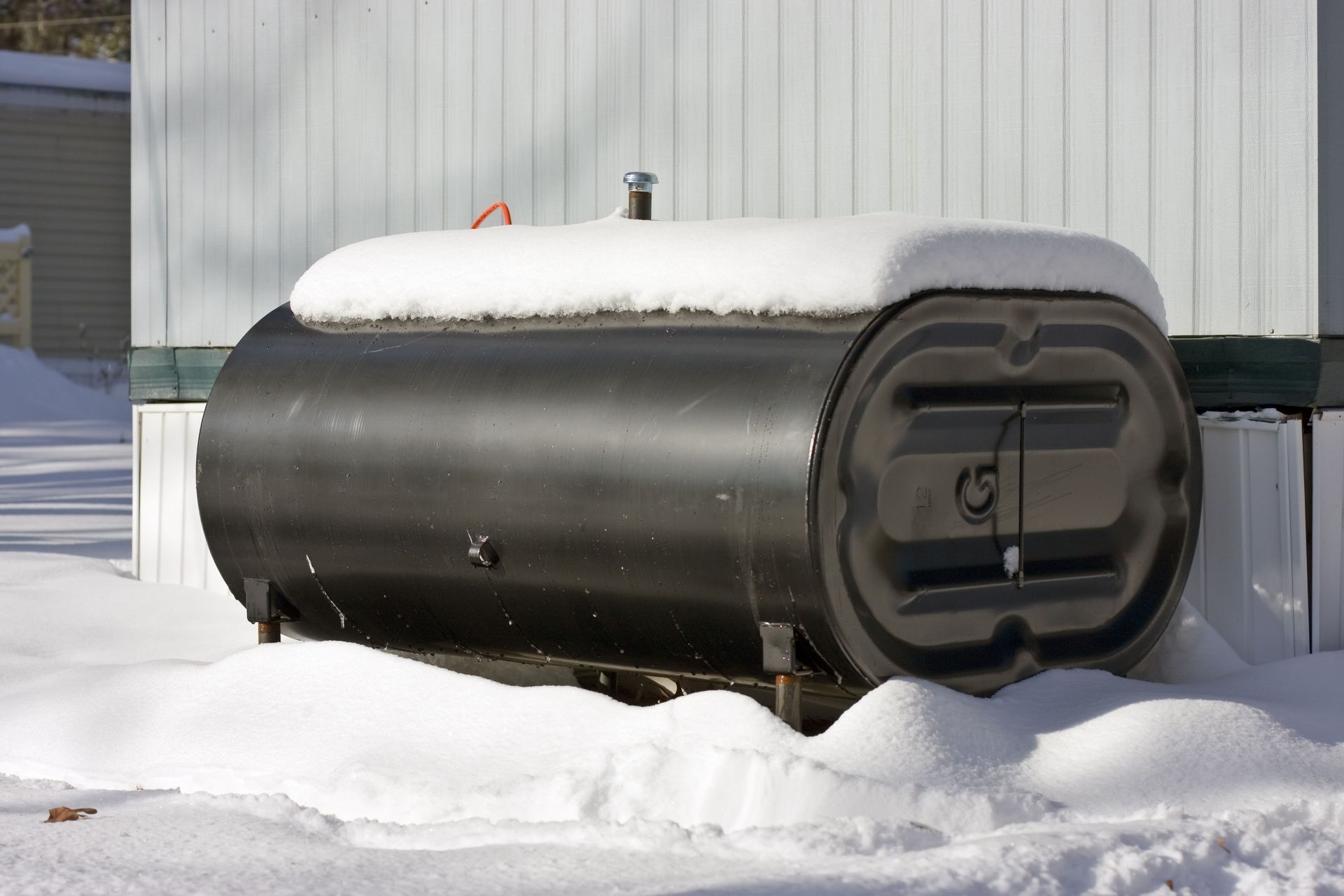
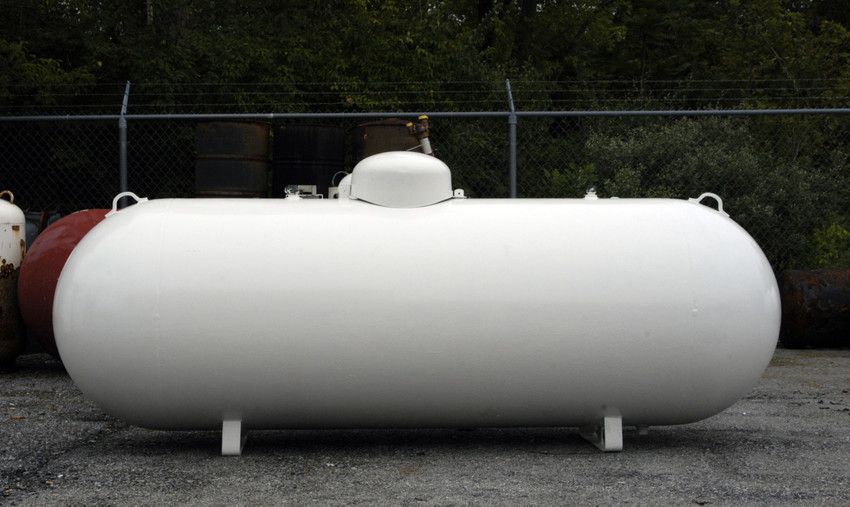
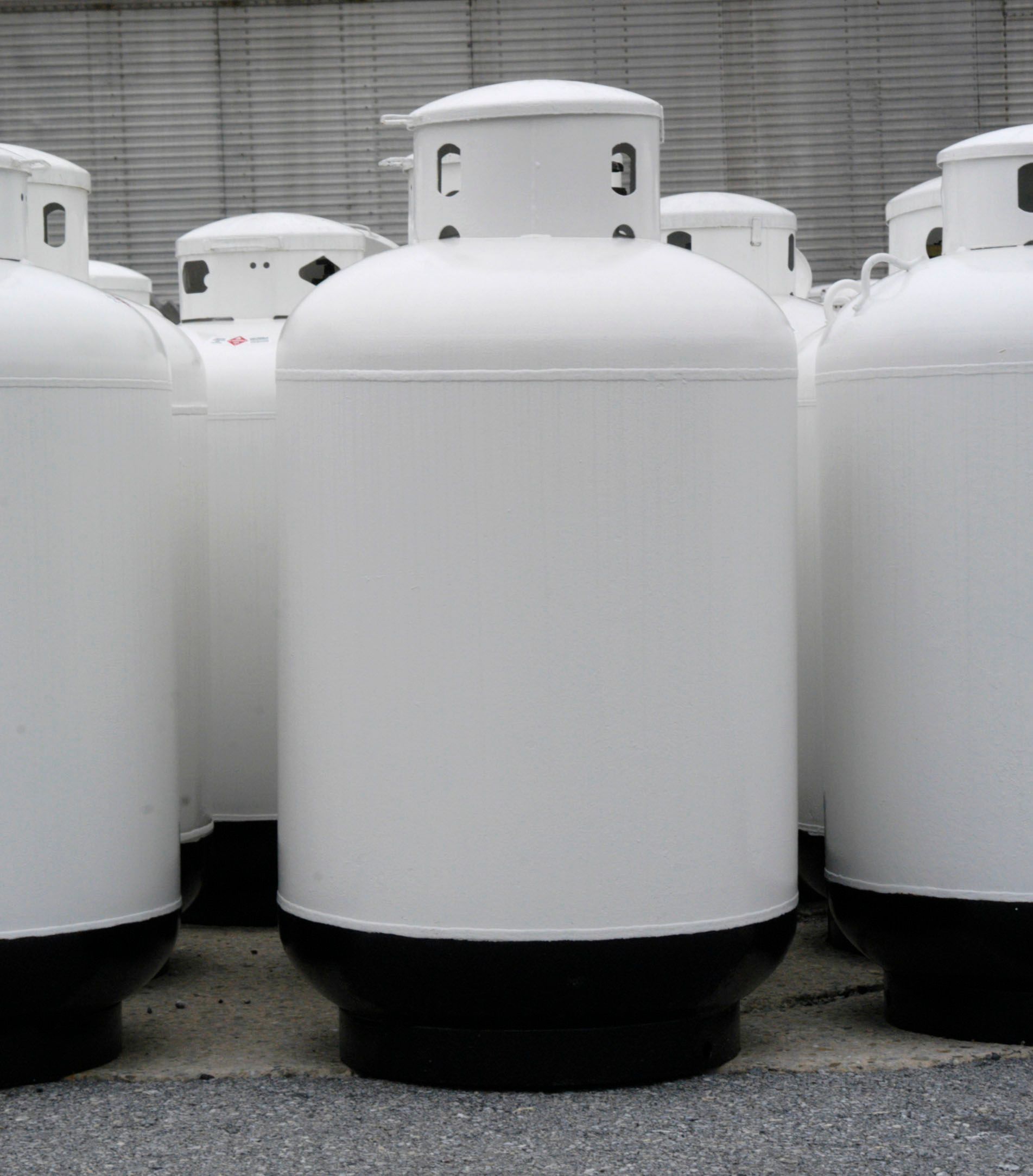
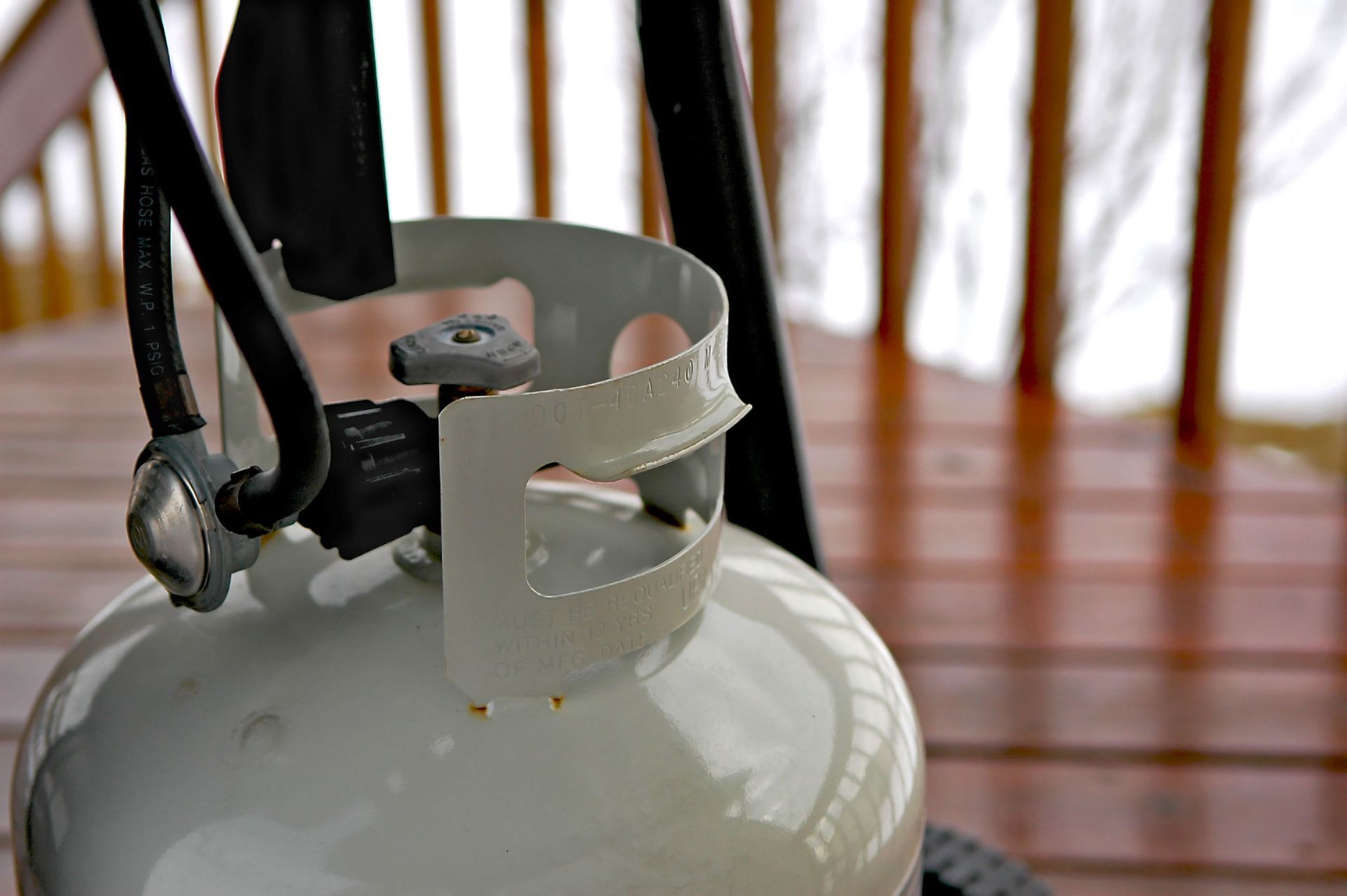
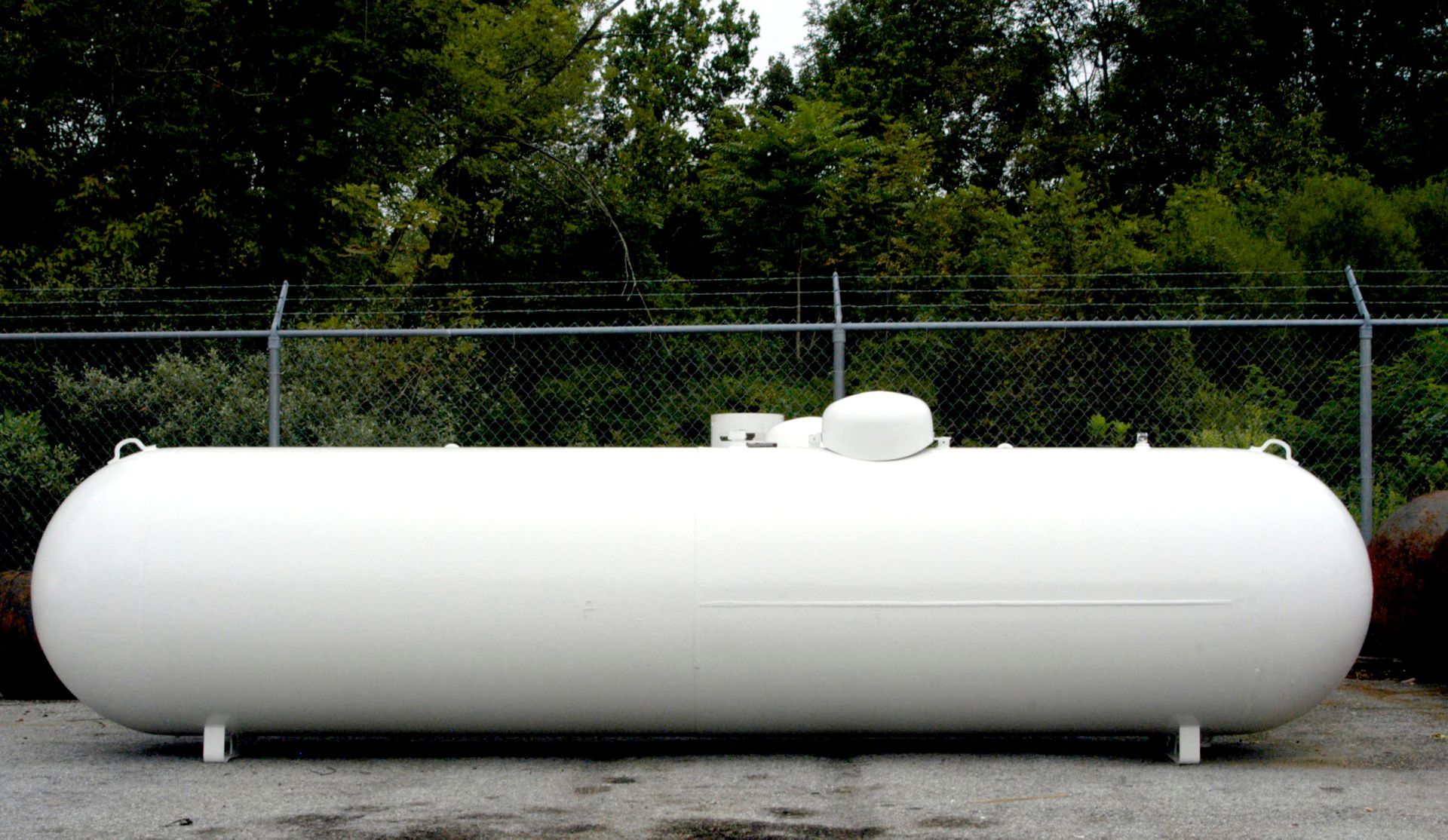
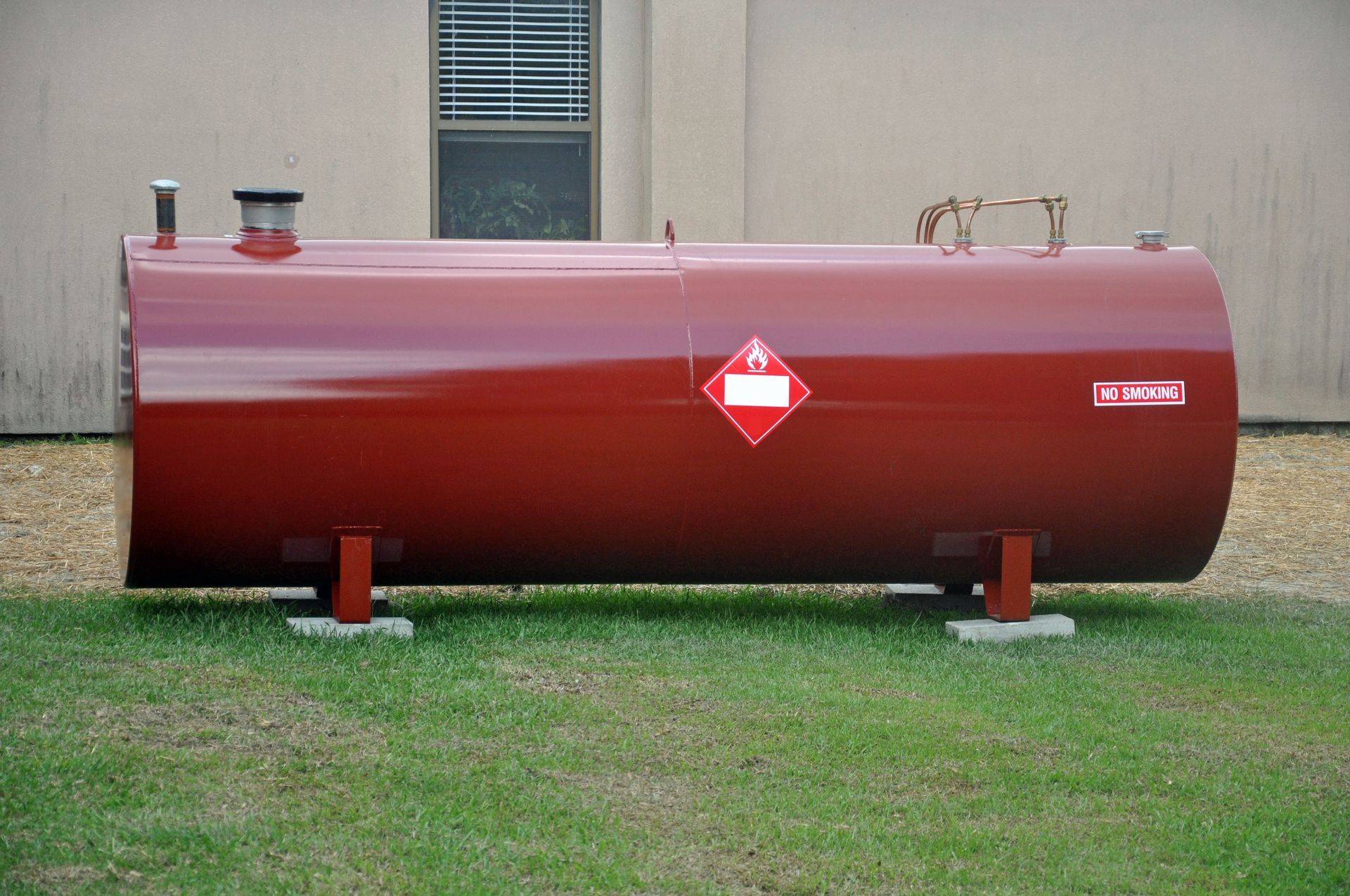
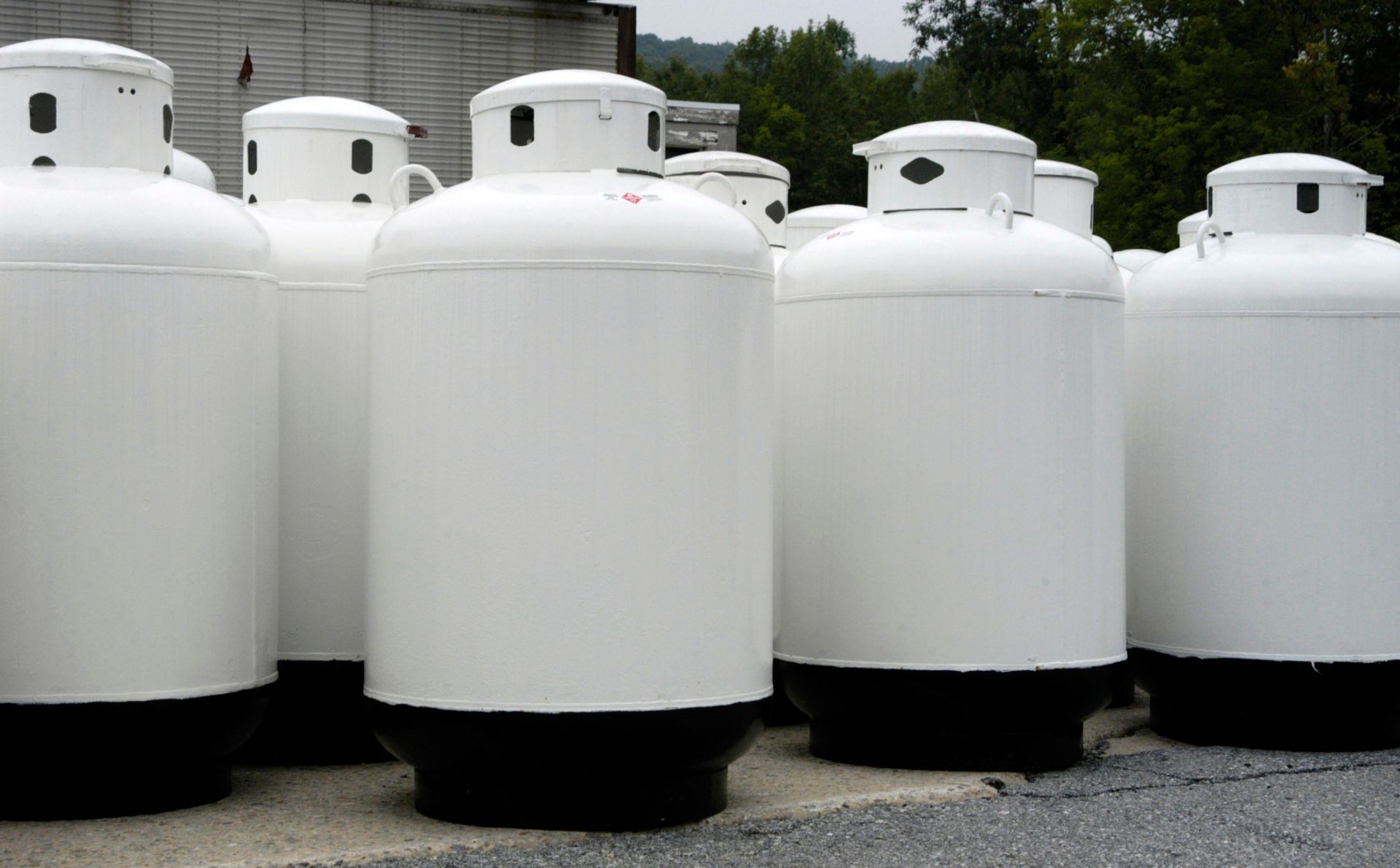
Safe storage and usage of propane are paramount for maintaining safety. Typically, propane is stored in tanks and cylinders designed to endure high pressure, ensuring the fluid's containment. The tanks are usually equipped with safety valves and overflow prevention devices. Propane is not only utilized in households but also plays a significant role in the industrial sector. According to the National Council on Energy, propane is essential to this domain, with nearly 50% being used in plastic production, highlighting its industrial significance alongside domestic needs.
The advantages of using propane over other fuels are manifold. It burns cleaner than petrol and diesel, reducing carbon emissions and minimizing environmental impact. Furthermore, propane is more cost-effective due to its high efficiency and abundant supply. Another safety feature is its distinct smell, which is artificially added to detect leaks. Thus, familiarity with its scent can act as a first line of defense, allowing for immediate action in the event of a leak, thereby preventing accidents and ensuring safety.
Propane Equipment Safety
Choosing the appropriate propane equipment is the first step towards ensuring safety. The equipment must be certified and approved by relevant authorities to guarantee compliance with safety standards. High-quality appliances and fittings minimize the risk of malfunctions and leaks. Additionally, selecting the right size and type of equipment for your specific needs is crucial for optimizing performance and safety. Consulting with professionals can provide guidance in making informed choices about equipment selection.
Proper installation of propane appliances is critical for ensuring long-term safety. It is recommended to have appliances installed by certified technicians who come with the requisite expertise. Incorrect installation can lead to gas leaks, which pose significant risks. Moreover, regular maintenance should be scheduled to keep appliances in good working condition. Understanding the operational mechanism of safety features, such as automatic shut-off valves, further enhances safety during use.
Routine maintenance and inspections are vital in identifying and addressing potential hazards before they lead to accidents. This includes checking connections, hoses, and tanks for any signs of wear and tear. By recognizing faulty equipment through visual inspections and performance monitoring, preventive measures can be promptly implemented. Incorporating a structured maintenance routine ensures the longevity and safety of propane systems. Ultimately, this proactive approach provides peace of mind and assurance of ongoing safety.
Proper Storage and Handling of Propane
The placement of propane tanks plays a crucial role in safety. Tanks should be located outside in well-ventilated areas and clear of potential spark sources. By placing them away from buildings and inhabited structures, risks of inhalation and fire are minimized. Local regulations often dictate specific requirements for tank placement, and these should be adhered to strictly. Ensuring proper clearance and placement conditions enhances both safety and operational efficiency.
Correct handling of propane tanks is essential to prevent accidents. Only trained individuals should perform the tasks of filling, transporting, and connecting tanks. Mismanagement during these processes can result in leaks or hazardous situations. Additionally, it's essential to be mindful of temperature changes that can affect tank pressure. Understanding these variables helps prevent incidents caused by user error or environmental conditions.
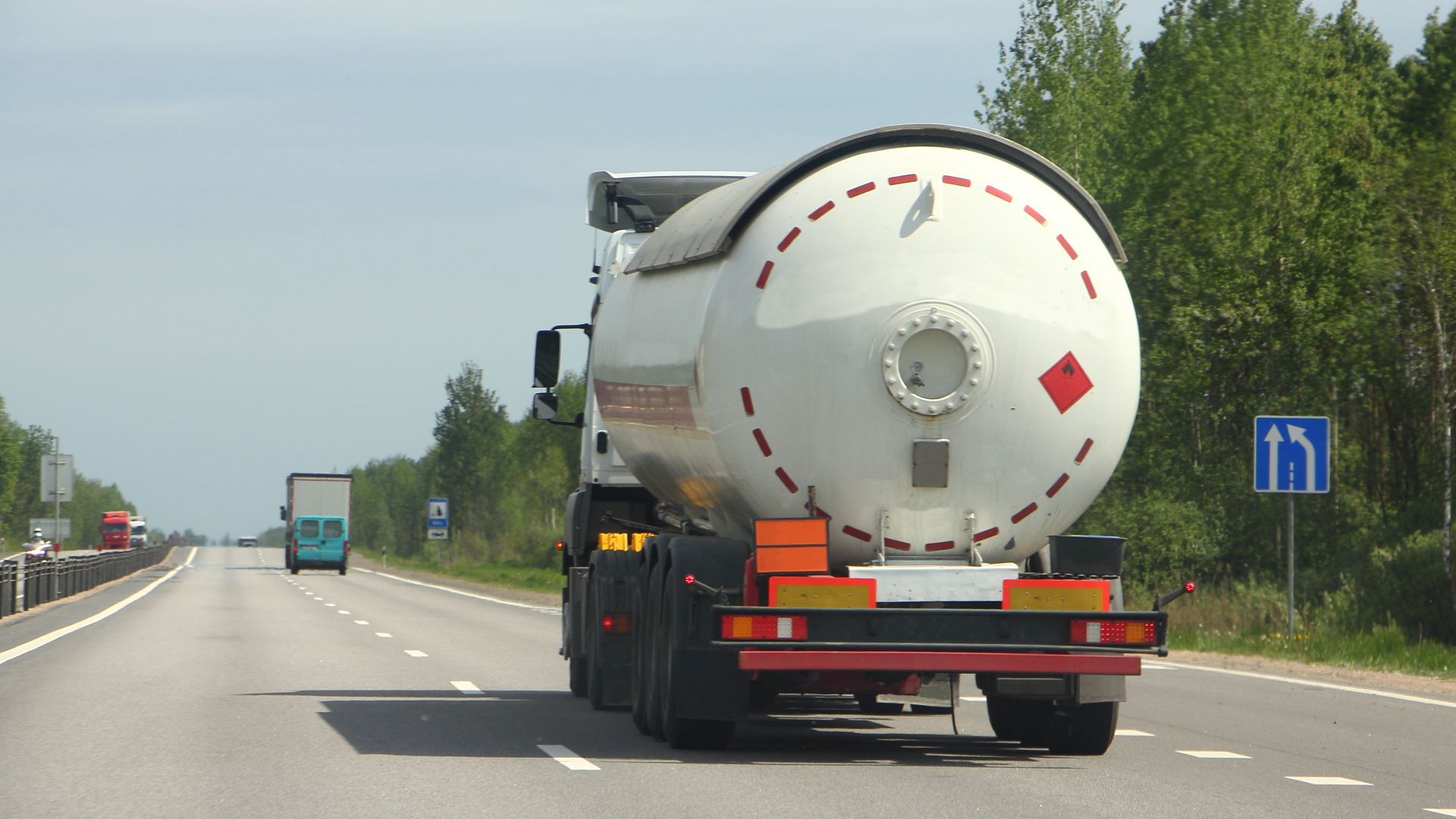
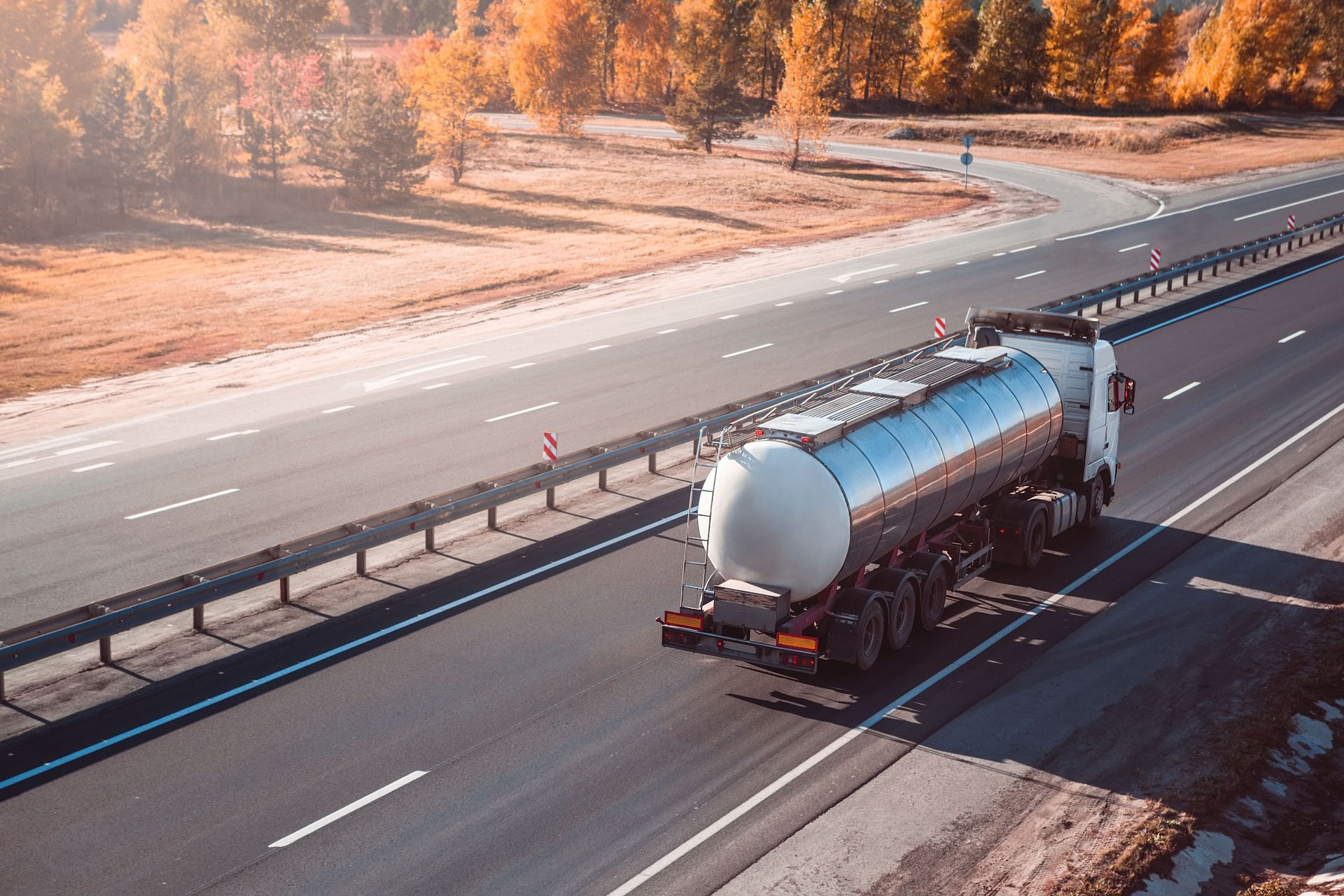
Regular inspections for leaks are a fundamental safety practice in the lifecycle management of propane storage. Performing leak detection using approved methods such as soap tests can identify issues early. Proper education on emergency procedures should accompany these practices, enabling quick and effective responses to potential leaks. It's also pertinent for users to understand safe transport methods for propane cylinders, such as securing tanks during travel to prevent movement-based leaks. Addressing these areas greatly reduces risk and enhances safety.
Emergency Preparedness
Creating a comprehensive propane safety plan is a key component of emergency preparedness. This plan should detail how to handle potential leaks, fires, or other gas-related emergencies. Practice and rehearsal of these procedures can reduce panic and enhance response effectiveness. Including diagrams and equipment catalogs in the plan aids users in quickly locating and utilizing necessary safety gear. Additionally, ensuring all family members or employees are familiar with the safety plan contributes to a cohesive safety culture.
Responding to a propane leak effectively can prevent catastrophes. Initial measures include shutting off propane supply and ventilating the area if safe to do so. Reliable emergency contacts should always be readily accessible to facilitate professional intervention. Besides immediate responses, an updated emergency contact list including local fire departments and propane suppliers should be maintained. Access to resources such as brochures or digital guides can further empower users with knowledge on preventive and reactionary measures.
In the event of an evacuation due to a propane emergency, structured procedures are necessary. A predetermined evacuation route that bypasses hazardous zones should be established. Regular drills that simulate emergency scenarios can aid in habituating occupants to these procedures. Furthermore, first-aid measures specific to propane exposure should be well-understood. Keeping first-aid kits that cater to burns, respiratory issues, or other propane-related injuries reduces the severity of accidents.
Regular Inspections and Professional Services
Setting up a schedule for regular safety checks helps in maintaining a safe propane setup. These checks should be comprehensive, covering all components of the propane system from tanks to appliances. Consistently adhering to this schedule ensures that potential issues are identified and resolved before they escalate. Regularity in inspections provides a baseline for performance and safety, making it easier to spot deviations. Finding a balance between professional checks and owner-conducted inspections enhances overall safety.
Professional inspections by licensed technicians offer insights into system integrity and compliance with safety standards. These inspections are crucial as they often reveal hidden issues not immediately apparent to untrained eyes. Professionals can employ specialized techniques and tools to assess equipment effectively. Understanding what occurs during these inspections helps users prioritize and value professional input. With technological advancements, inspections are becoming more thorough and reliable, furthering safety assurance.
In conclusion, maintaining safety while utilizing propane involves multiple levels of understanding and proactive measures. By being aware of the basics, using equipment safely, handling propane properly, preparing for emergencies, conducting regular inspections, and promoting a culture of safety, risks can be significantly minimized. Consistent diligence in these areas not only bolsters individual safety but also enhances communal welfare. Propane offers numerous advantages when used correctly, and adhering to the guidelines discussed ensures these benefits are maximized while hazards are mitigated. Through educated usage and comprehensive planning, the safe utilization of propane can lead to energy efficiency and peace of mind. Be sure to reach out to Charlton Oil & Propane Company today for more information on our professional propane service!