Essential Tips for Maintaining Your Propane Tank
Maintaining a reliable, safe, and efficient home energy system relies heavily on the diligent upkeep of fuel storage infrastructure. Fuel storage vessels supply essential energy for home heating, water heating, cooking appliances, and auxiliary generator power throughout changing seasons. When storage vessels are neglected, minor rust accumulation, valve wear, or environmental settling can escalate into costly fuel leaks, mechanical disruptions, or serious safety hazards. Establishing a consistent care routine safeguards property investments, preserves system longevity, and guarantees uninterrupted fuel delivery when environmental conditions demand peak performance.
Understanding how to care for fuel storage systems empowers property owners to identify warning signs early and make informed maintenance choices. Proper vessel care encompasses inspecting physical exterior surfaces, monitoring fuel levels, protecting surrounding landscapes, and verifying mechanical fittings. Furthermore, partnering with licensed fuel technicians ensures that pressure relief testing, regulator replacements, and internal safety checks are executed according to strict regulatory standards. Exploring essential maintenance practices reveals how proactive attention, routine inspection, and professional service work together to maintain total fuel security and home comfort.
Inspecting Exterior Surfaces and Surface Coatings
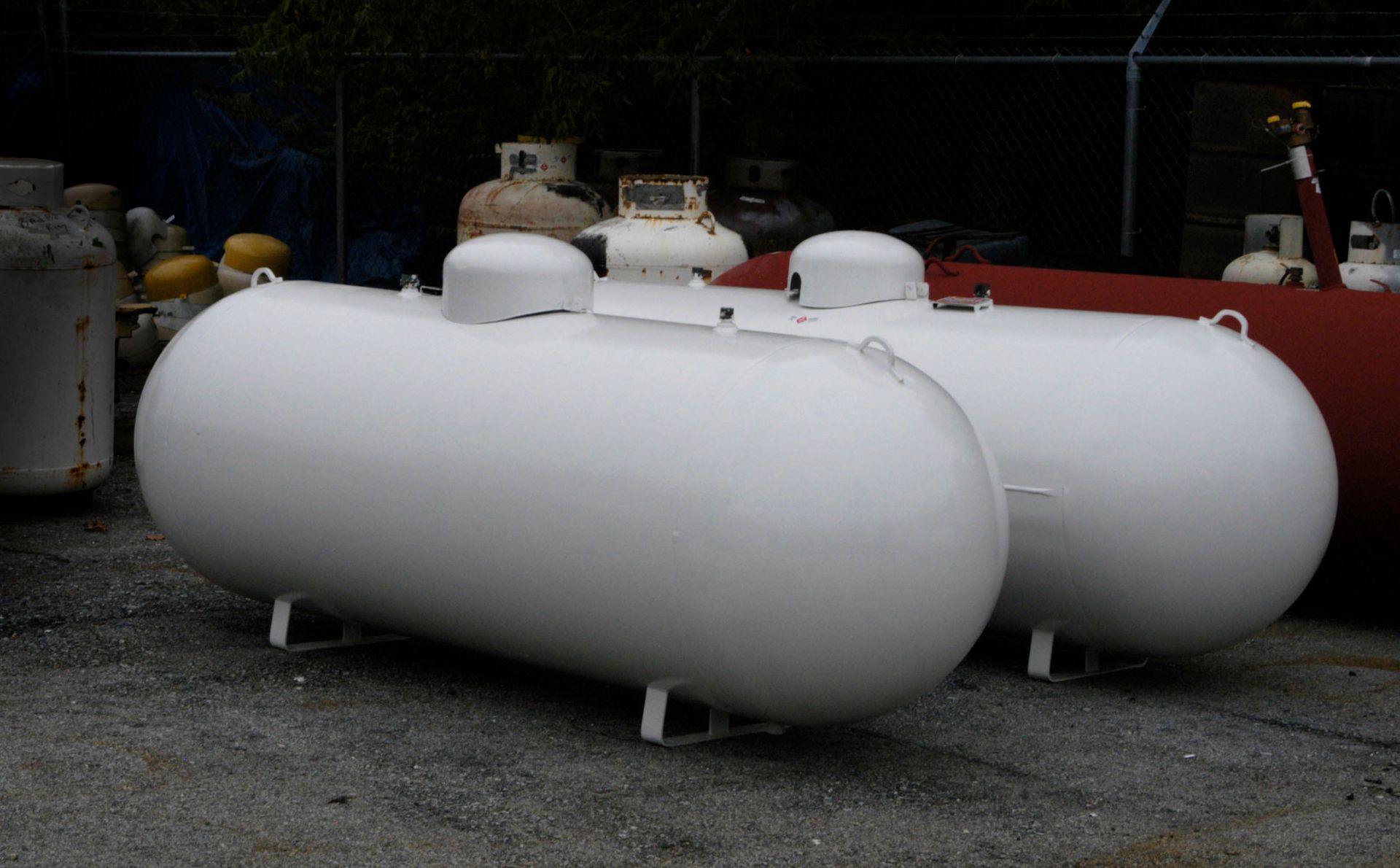
Inspecting the physical exterior of your fuel container represents a vital first step in preventing environmental degradation and structural failure. Fuel containers are exposed constantly to rain, snow, intense sunlight, and shifting soil moisture, which can compromise protective paint coatings over time. Maintaining a clean, fully painted exterior prevents rust formation and helps reflect solar heat, keeping internal tank pressure within safe operational thresholds.
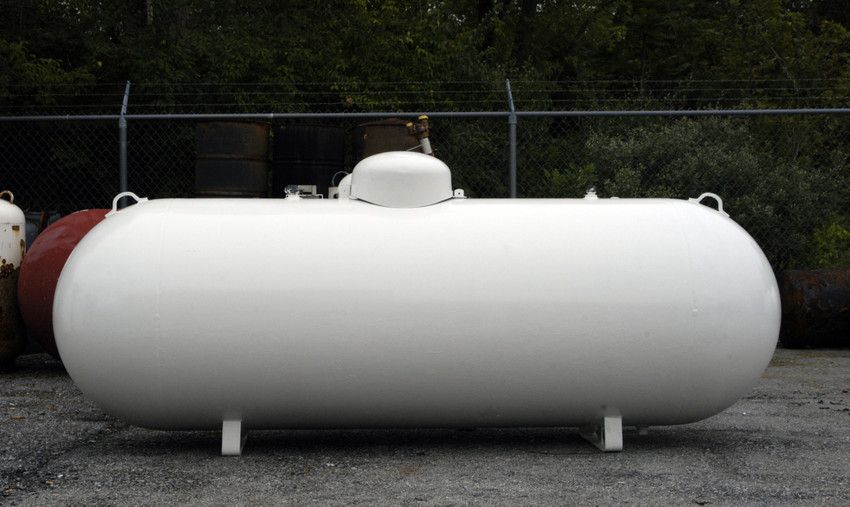
When inspecting exterior surfaces, property owners should examine seam welds, support legs, and lower belly areas for flaking paint, pitting rust, or deep scratches. Applying approved corrosion-resistant reflective paint to bare metal spots prevents rust from eating into heavy steel walls. Regularly clearing away dirt, fallen leaves, bird droppings, and organic debris prevents trapped moisture against steel surfaces, extending the overall lifespan of your propane tank.
Clearing Surrounding Vegetation and Debris Barriers
Clearing brush, tall weeds, overhanging branches, and debris around fuel storage areas ensures optimal ventilation and easy physical access for service technicians. Overgrown vegetation creates damp microclimates that accelerate metal corrosion, while dense brush conceals structural damage, pest infestations, and slow fuel leaks from view. Furthermore, dry weeds and dead brush around fuel containers present severe fire hazards during dry summer months.
Establishing a wide, clear zone around fuel vessels provides safe walking paths for delivery personnel and allows emergency responders clear visibility. Removing heavy tree limbs directly above storage vessels eliminates the risk of falling branches damaging valves or pressure regulators during winter ice storms. Maintaining a clean perimeter around your propane tank supports optimal air circulation, reduces corrosion risks, and ensures safe, efficient fuel deliveries year-round.
Protecting Pressure Regulators and Valve Assemblies
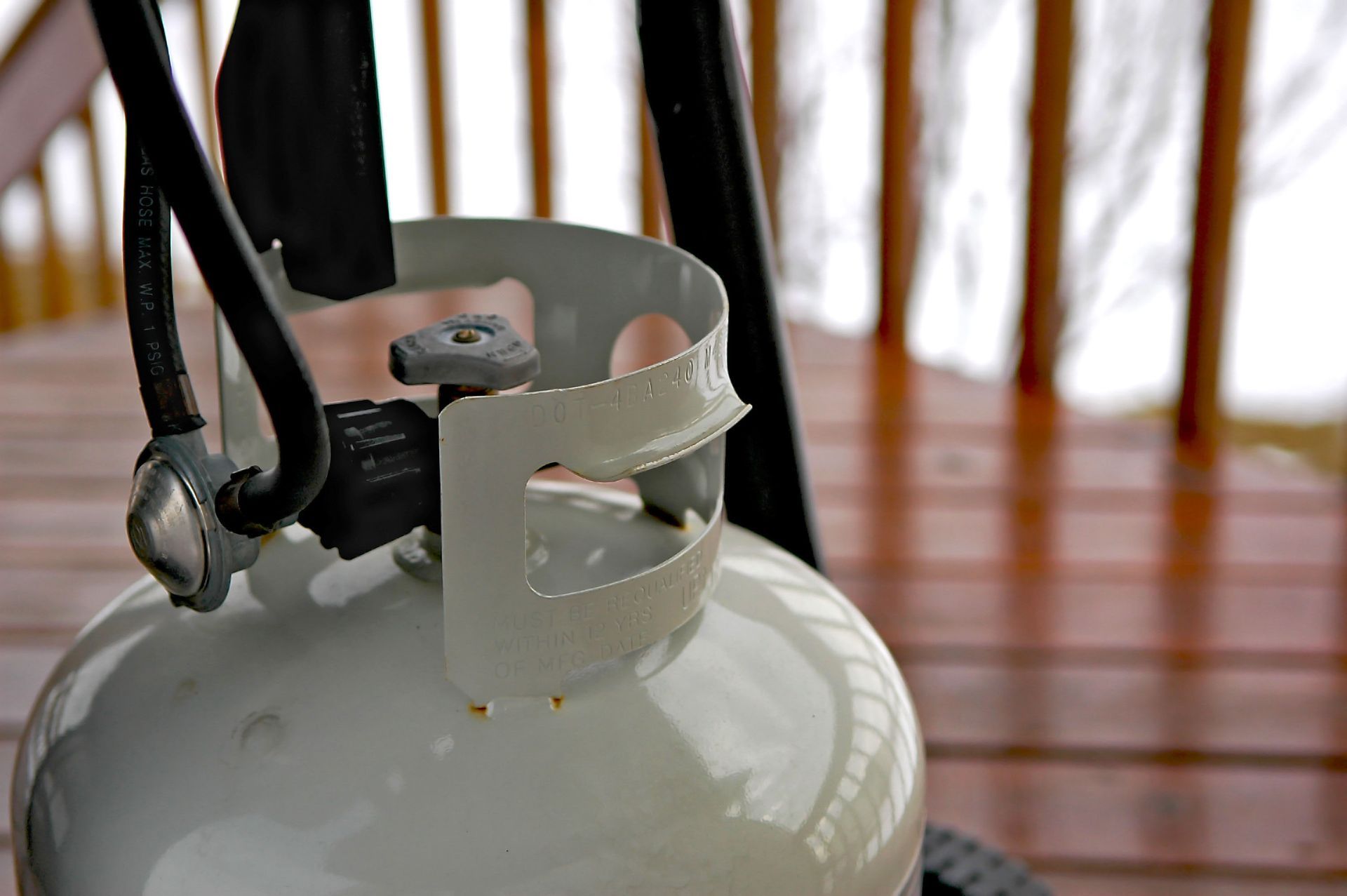
Protecting delicate pressure regulators, relief valves, and shut-off handles from harsh weather elements is critical for maintaining stable fuel flow. Pressure regulators serve as the heart of fuel distribution systems, reducing high internal vessel pressure down to safe, usable operating levels for indoor appliances. Ice, snow accumulation, mud, and nesting insects can clog tiny regulator vent holes, causing sudden pressure spikes or complete system shutdowns.
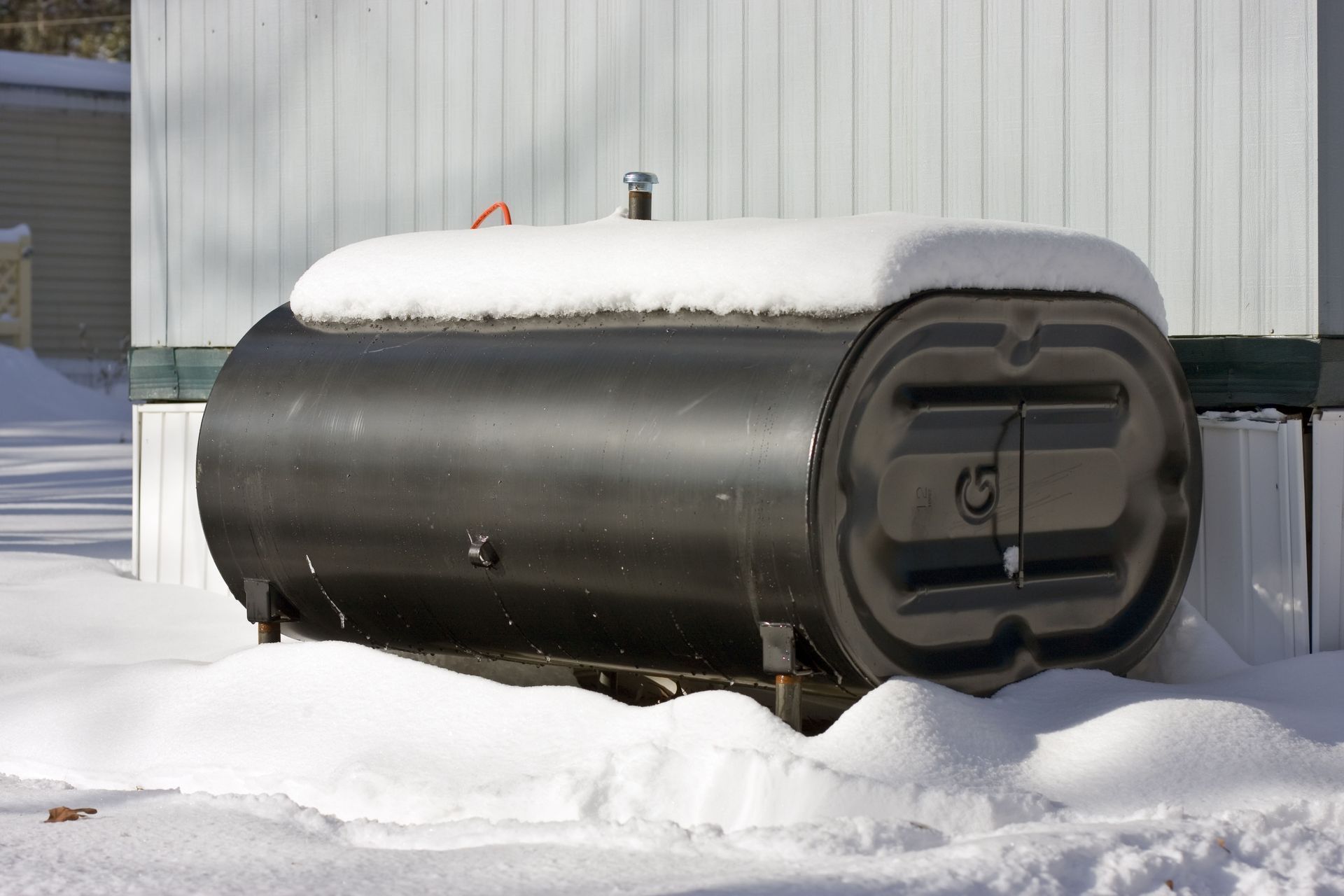
Installing protective caps and heavy-duty weather covers keeps rain, freezing sleet, and debris out of vulnerable valve mechanisms. During severe winter storms, property owners should gently sweep away heavy snow accumulation from top valve domes using soft brushes rather than metal shovels. Safeguarding delicate control fittings on your propane tank prevents dangerous pressure fluctuations and ensures smooth fuel delivery to home heating equipment.
Monitoring Fuel Gauges and Scheduling Timely Refills
Monitoring fuel volume levels regularly prevents complete fuel exhaustion, which can lead to costly line bleeding procedures and emergency service calls. Running out of fuel unexpectedly leaves homes without space heating or hot water during cold winter spells, increasing the risk of frozen interior plumbing pipes. Furthermore, allowing storage vessels to drop completely empty allows moisture and air into lines, which compromises fuel purity and system safety.
Reading mechanical float gauges weekly during peak heating seasons helps property owners track consumption rates and schedule refills before levels drop critically low. Modern fuel providers also offer automated remote monitoring systems that alert delivery dispatchers when fuel levels reach predetermined thresholds. Keeping adequate fuel volume inside your propane tank ensures continuous appliance operation, eliminates emergency delivery fees, and protects sensitive gas controls from air lock complications.
Verifying Tank Stability and Structural Support Bases
Verifying the structural stability of support pads, concrete footings, and leg stands prevents dangerous vessel tipping, line strain, and shifting. Heavy storage containers require firm, level, and well-drained foundations to distribute immense fuel weight evenly across the ground. Over time, heavy rain, frost heaving, soil erosion, and shifting ground sub-bases can cause concrete support pads to tilt, crack, or sink unevenly into surrounding soil.
An unlevel storage vessel places severe physical stress on connected supply piping, increasing the risk of fitting fractures and dangerous fuel leaks. Inspecting support legs and concrete slabs regularly ensures that the foundation remains plumb, level, and structurally sound. Addressing minor soil settling around your propane tank early prevents costly line repairs and maintains safe physical alignment between storage vessels and home entry piping.
Recognizing Usage Trends and Diverse Residential Applications
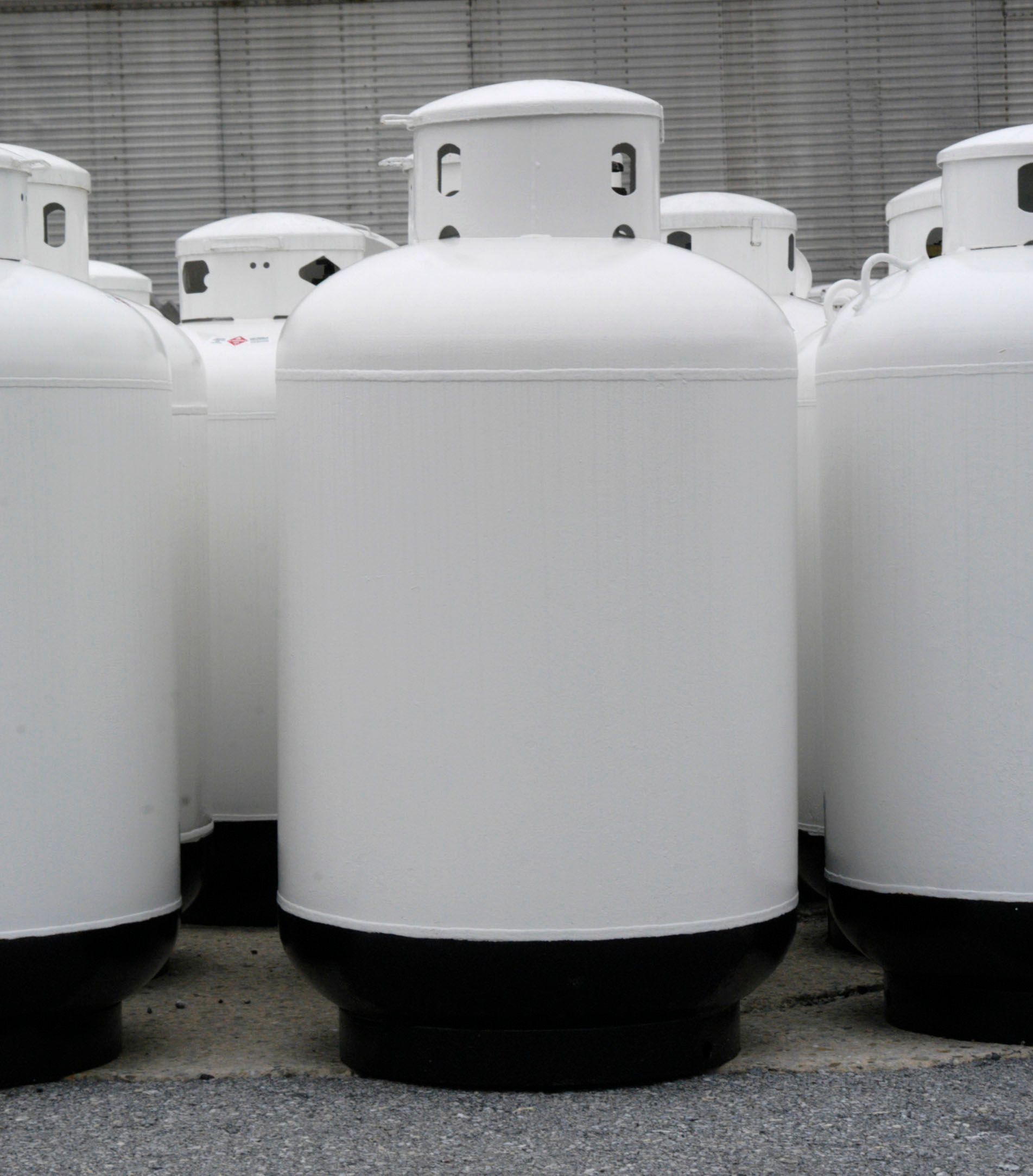
Recognizing the diverse ways households utilize portable and permanent fuel storage highlights the universal need for consistent maintenance standards across all vessel sizes. While large stationary vessels supply primary home heating and hot water infrastructure, smaller portable containers power widespread outdoor recreation, emergency backup heating, and seasonal cooking equipment nationwide.
Understanding national energy usage illustrates the vital role versatile clean fuels play in everyday American household activities and outdoor lifestyle traditions. According to the U.S. Energy Information Administration, about 42 million U.S. households use propane for outdoor grilling. Applying rigorous safety checks, leak tests, and proper storage practices to portable cylinders and permanent stationary systems alike ensures safe, dependable performance whether powering home central heating or family backyard cookouts. Partnering with certified technicians to service every propane tank on your property guarantees total peace of mind and long-term energy security. Investing in dedicated storage vessel care safeguards your financial investment, reduces operational stress on delicate control valves, and maintains a warm, secure living space season after season. When complex valve repairs, pressure tests, or structural adjustments are required, relying on certified fuel specialists guarantees master craftsmanship, regulatory compliance, and complete operational safety.
At Charlton Oil & Propane Company, we are deeply committed to powering your home’s warmth, ensuring total fuel safety, and delivering superior energy solutions through master craftsmanship, advanced delivery technology, and dedicated customer care. Our team of certified fuel specialists brings extensive technical expertise, state-of-the-art testing equipment, and meticulous attention to detail to every fuel delivery, vessel installation, pressure regulator check, line inspection, and seasonal system tune-up project we execute across our community. We take immense pride in evaluating your unique energy requirements, analyzing vessel placement, inspecting safety relief valves, and executing precise mechanical checks that bring total reliability, quiet efficiency, and peace of mind to your living space. Furthermore, our company prioritizes clear communication, transparent fuel pricing, clean jobsite management, and exceptional service performance from initial delivery scheduling through final system testing. We carefully examine every valve seal, pipe connection, foundation pad, and gauge face to guarantee maximum operational safety, fuel efficiency, and complete customer satisfaction. Contact us today to schedule your comprehensive fuel consultation and discover the true value of working with dedicated local energy specialists.